The Importance of Swift Action in Building Maintenance
Ensuring the safety and longevity of your building is crucial. Structural integrity plays a vital role in maintaining a secure environment for occupants. Over time, buildings are subjected to various environmental factors like weather changes and natural wear and tear. These elements can cause damage to masonry work. It’s essential to address these issues promptly to prevent further deterioration. By understanding the significance of timely intervention, you can protect both your property and its inhabitants.
Understanding Structural Risks
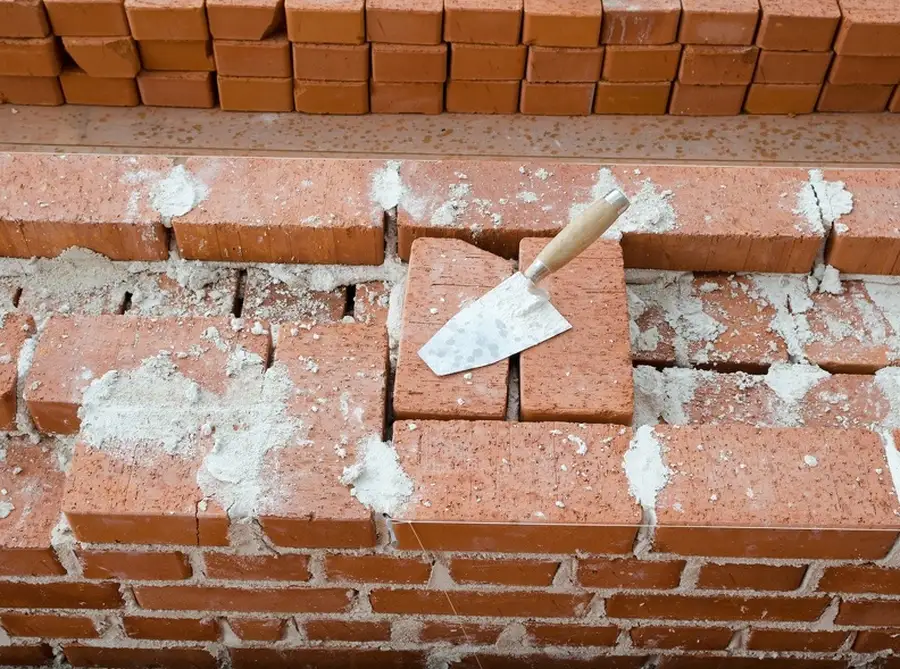
Masonry repair is a critical aspect of maintaining structural safety. When cracks or damages appear in brickwork or stone, they may seem minor at first glance. However, if left unaddressed, these small imperfections can lead to significant structural problems. Damaged masonry can weaken the overall structure of a building, increasing the risk of collapse or other dangerous situations. Regular inspections and repairs help maintain the building’s stability and ensure safety for all who enter.
Avoiding Costly Future Repairs
By prioritizing timely masonry repair, you save on expenses in the long run. Small repairs are generally less costly than major overhauls required when issues worsen over time. Addressing minor damages early prevents them from becoming severe, thus keeping repair costs manageable. Investing in routine maintenance helps avoid unexpected financial burdens associated with large-scale repairs or complete rebuilds.

Enhancing Property Value
Well-maintained masonry not only ensures safety but also enhances property value. Prospective buyers or tenants are more likely to be attracted to a building that appears well-cared-for and structurally sound. Aesthetic appeal and durability are key factors in real estate evaluations. Buildings with neglected masonry work can deter potential interests due to perceived risks and anticipated repair costs. Therefore, regular upkeep is beneficial for sustaining or increasing property market worth.
Common Masonry Issues to Watch For
Identifying common masonry problems early can prevent significant damage. Look out for:
- Cracks in bricks or mortar joints
- Discoloration or efflorescence (white deposits)
- Bulging walls indicating internal pressure
- Leaks causing moisture buildup
- Loose bricks or stones posing hazards
Steps for Effective Masonry Maintenance
Regular maintenance involves several steps. Follow this process:
- Conduct annual inspections by a professional
- Clean surfaces to remove dirt and debris
- Seal joints to protect against moisture penetration
- Repair minor cracks before they expand
- Replace damaged bricks or stones as needed
Choosing Professional Services for Lasting Results
Selecting the right professionals is crucial for effective masonry care. Ensure they have experience and a good track record with similar projects. Skilled experts use quality materials and techniques to guarantee durable results. They provide valuable insights into preventive measures and tailor solutions based on specific building needs.
The Role of Industry Standards and Regulations
Industry standards guide proper masonry practices, ensuring safety and quality compliance. Adhering to these regulations minimizes risks and promotes consistency across projects. Familiarize yourself with local building codes and requirements before starting any repair work to stay compliant and avoid legal repercussions.
Invest in Your Building’s Future Today
Your building’s integrity relies heavily on prompt attention to masonry issues. Acting swiftly not only protects its occupants but also preserves its value over time. Don’t let minor problems escalate; instead, call Richard Young Masonry now at (859) 205-5393 for expert advice on masonry care. We operate from Nicholasville, KY, delivering comprehensive services tailored to your property’s unique needs.